A simple, yet powerful solution has increased patient motivation by 86%
- Healthcare
- Web & mobile
- UX designer & researcher
Context
The challenge
In Norway, patients who are treated for chronic obesity often live hundreds of kilometres from their clinic. Keeping in touch with the medical team and finding motivation are critical for achieving long-term effects of the treatment.
The organisation
Lifeness is a Norwegian healthcare startup focused on improving patient outcomes through technology-enabled care.
Goals
- Prioritise functions that are necessary for effective tracking of treatment effects - is weight really the most important metric in obesity care?
- Create a private safe space (both emotionally and technically) for the patient within the application and not overwork them.
- Visualise statistical data in a transparent way, both in the mobile application for patients and the web panel for medical personnel.
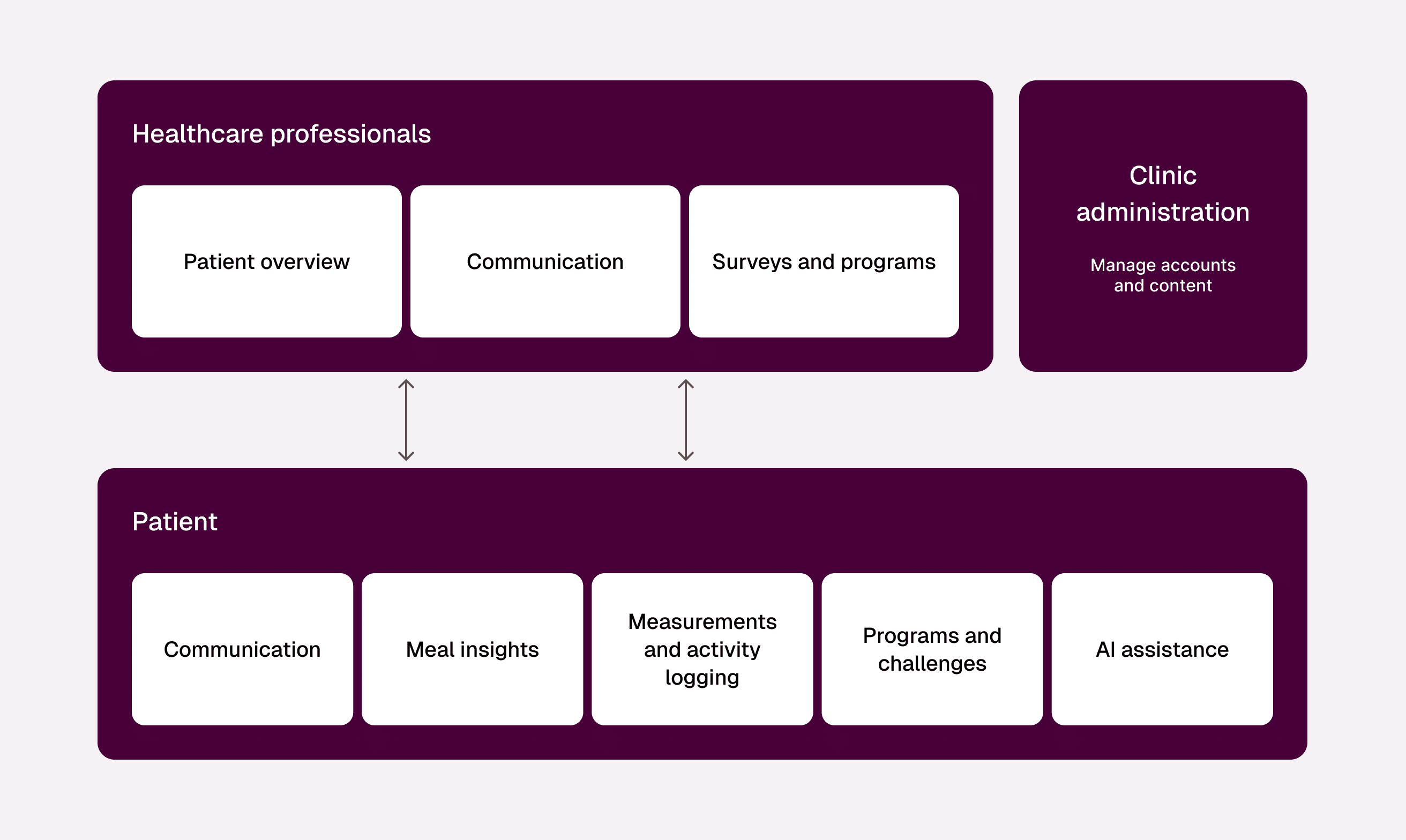
An award-winning solution supporting both patients and healthcare teams in obesity treatments.
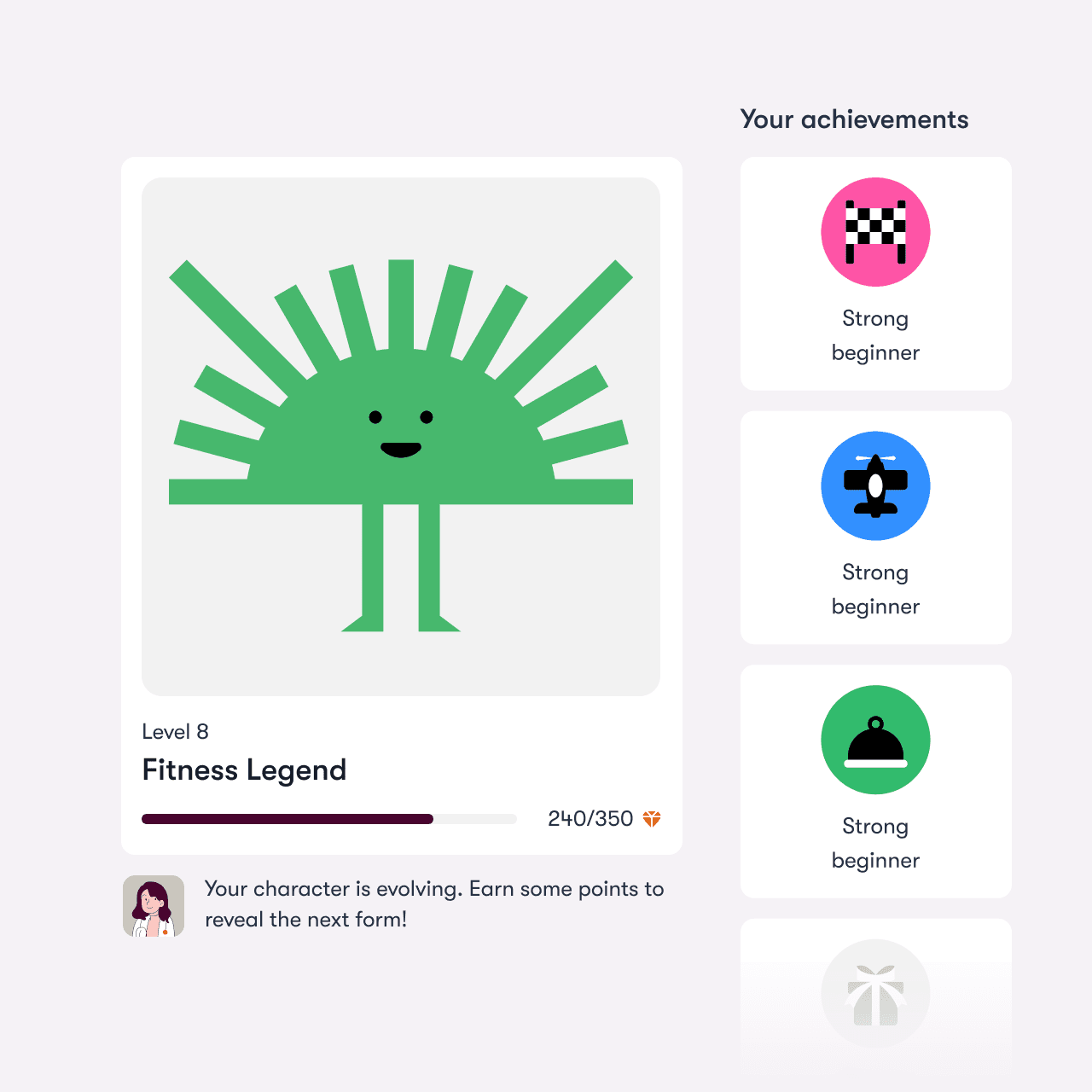
Personalised Programs
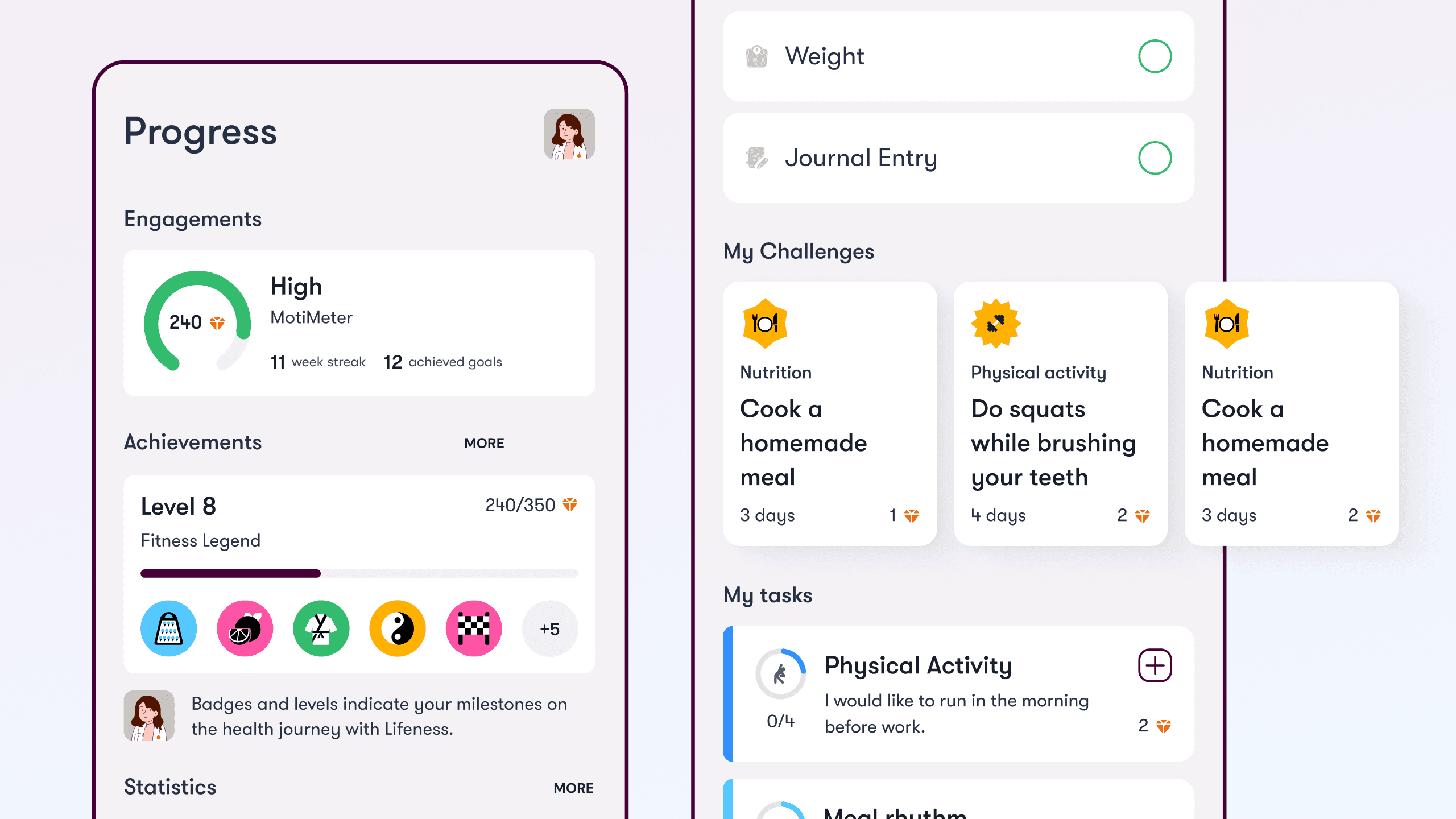
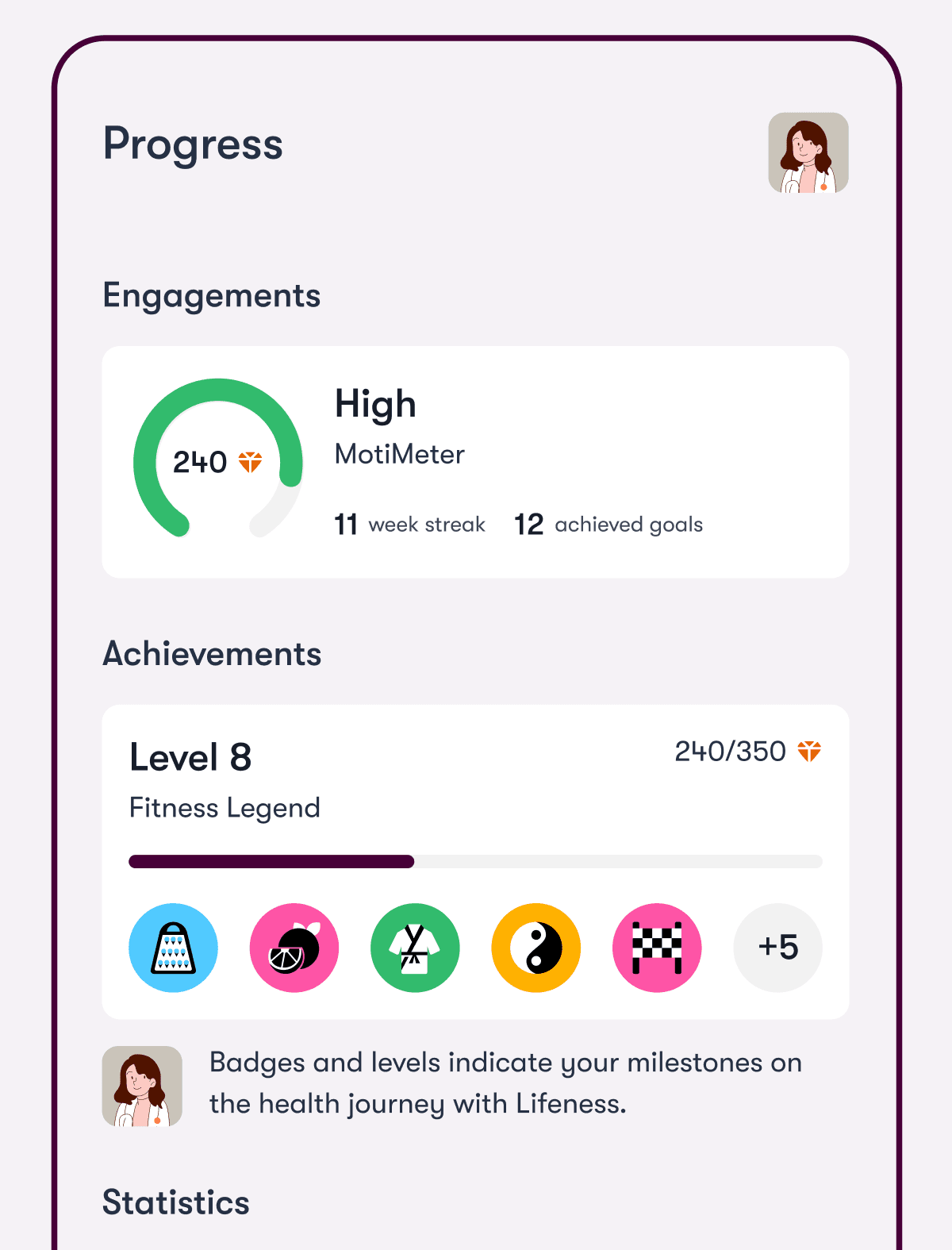
Based on a detailed survey, Lifeness creates a personalised journey for the patients. Daily reminders and easy task management make it a breeze to stay motivated over several weeks.
Seamless Communication
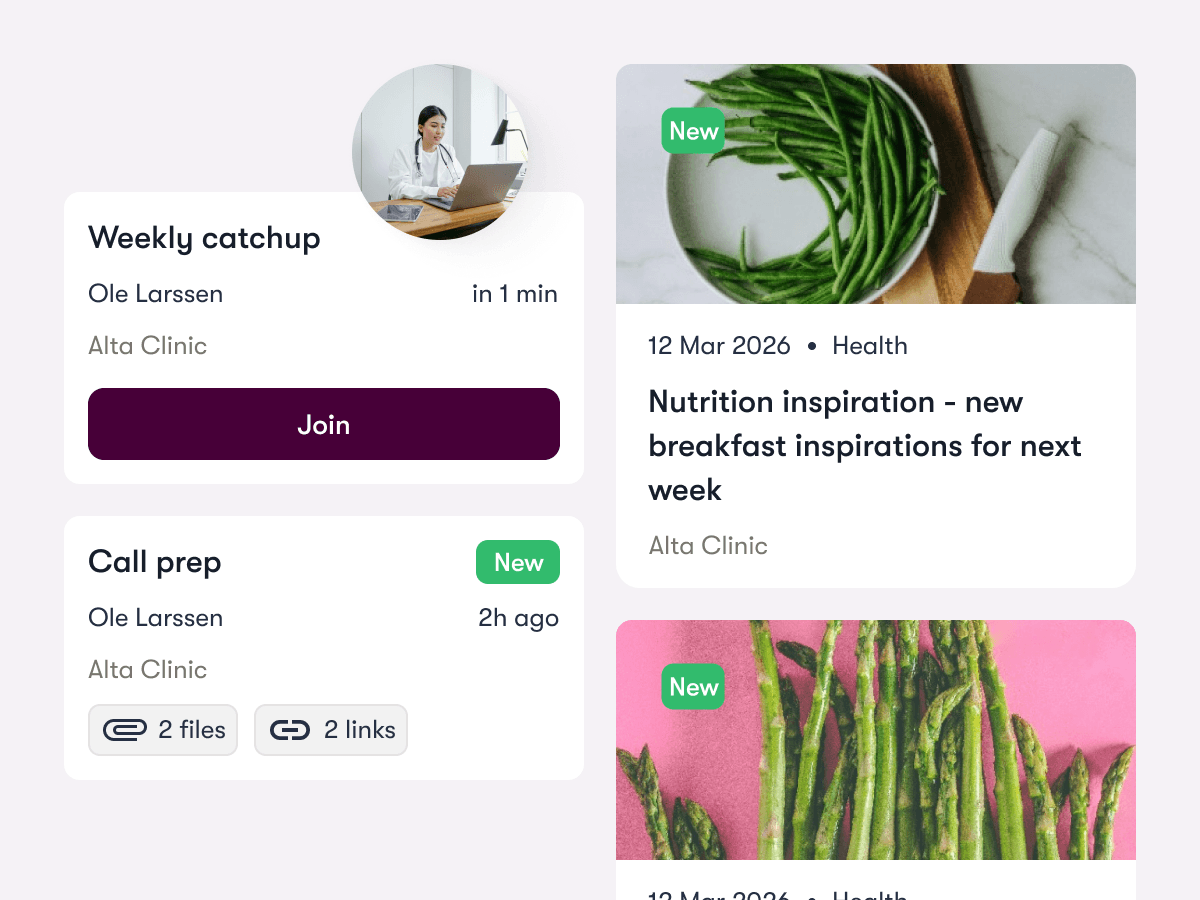
Privacy and data security were paramount to both types of users. The messaging and knowledge library features allowed patients to stay in touch with their medical team.
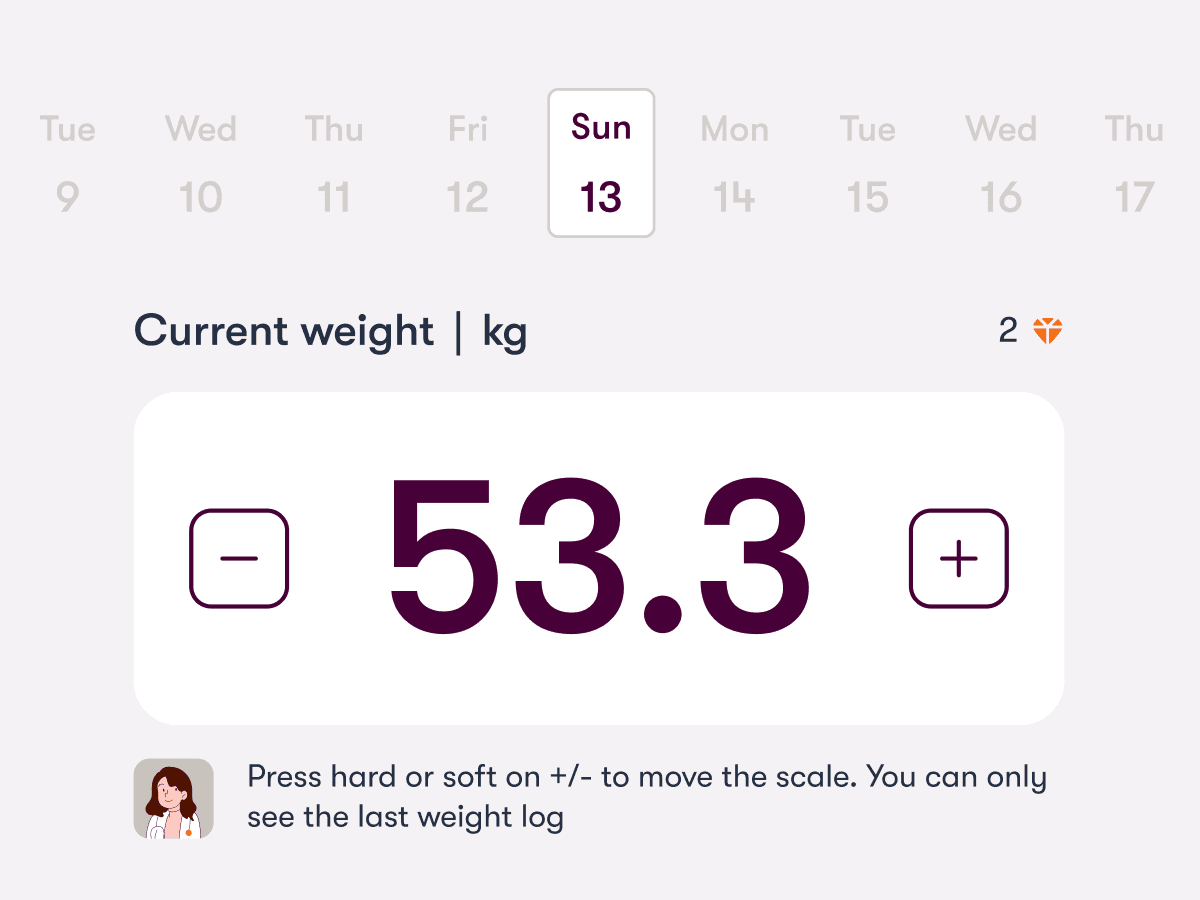
Activity Tracking
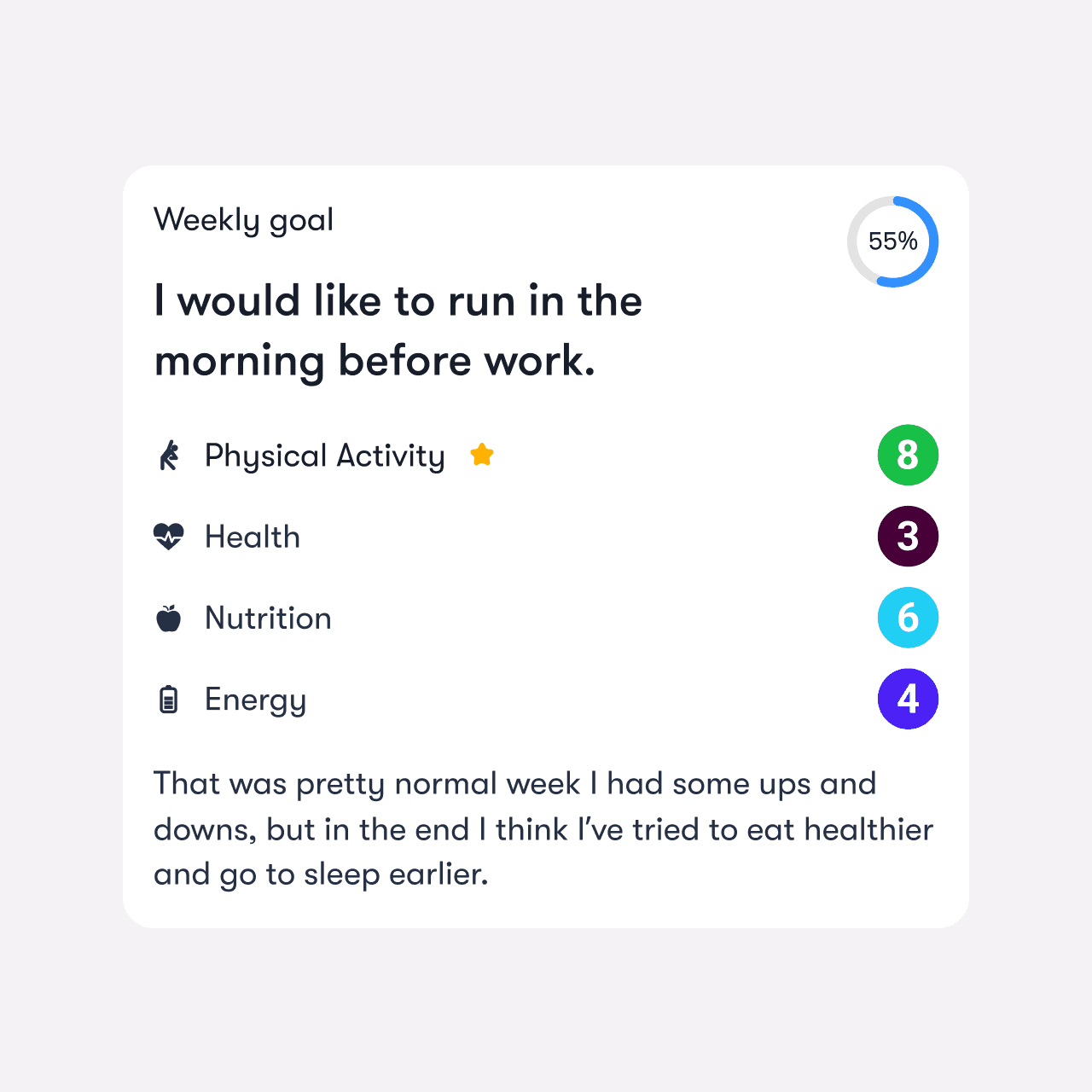
Patients needed a non-intrusive way to log their daily weight, mood, activities, food and more. With privacy control in mind, we wanted them to pick which metrics would be shared with their medical team and Google Health.
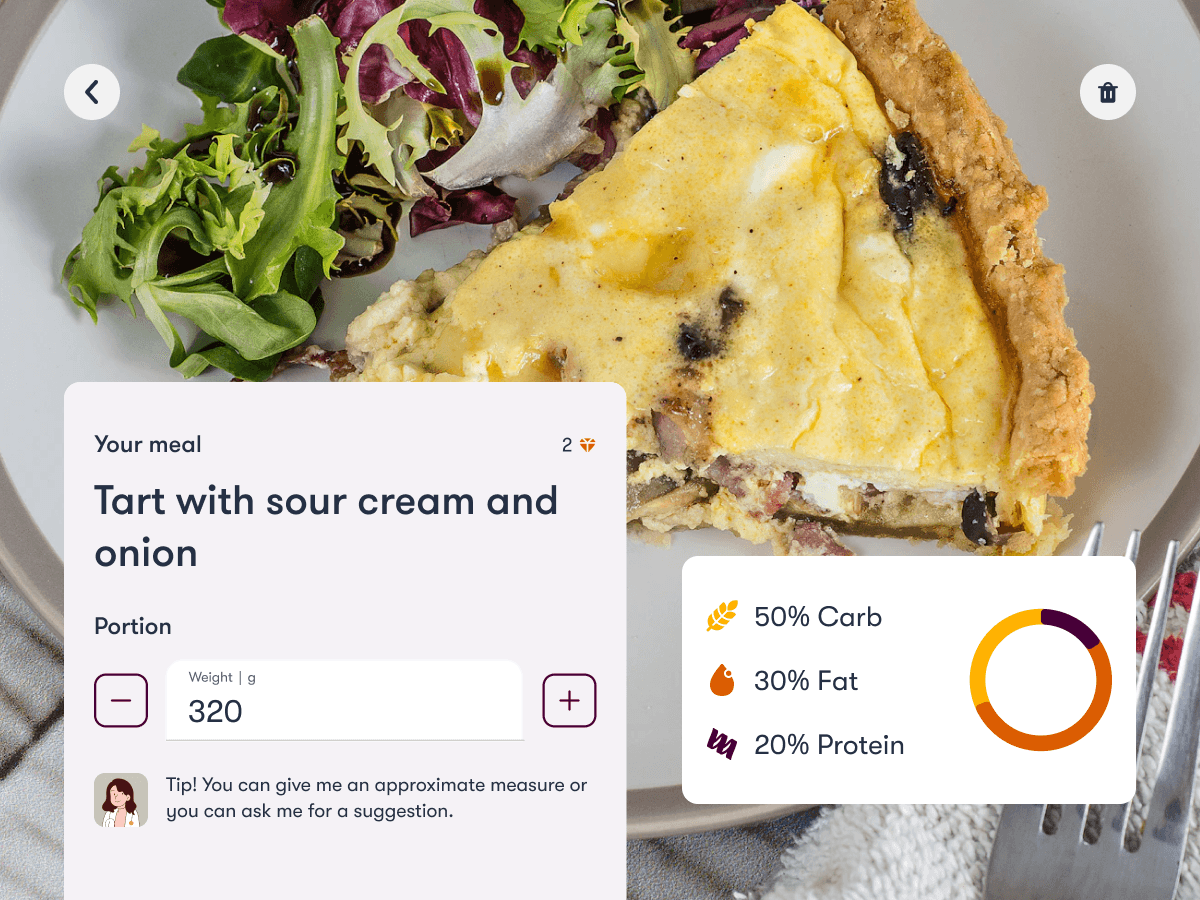
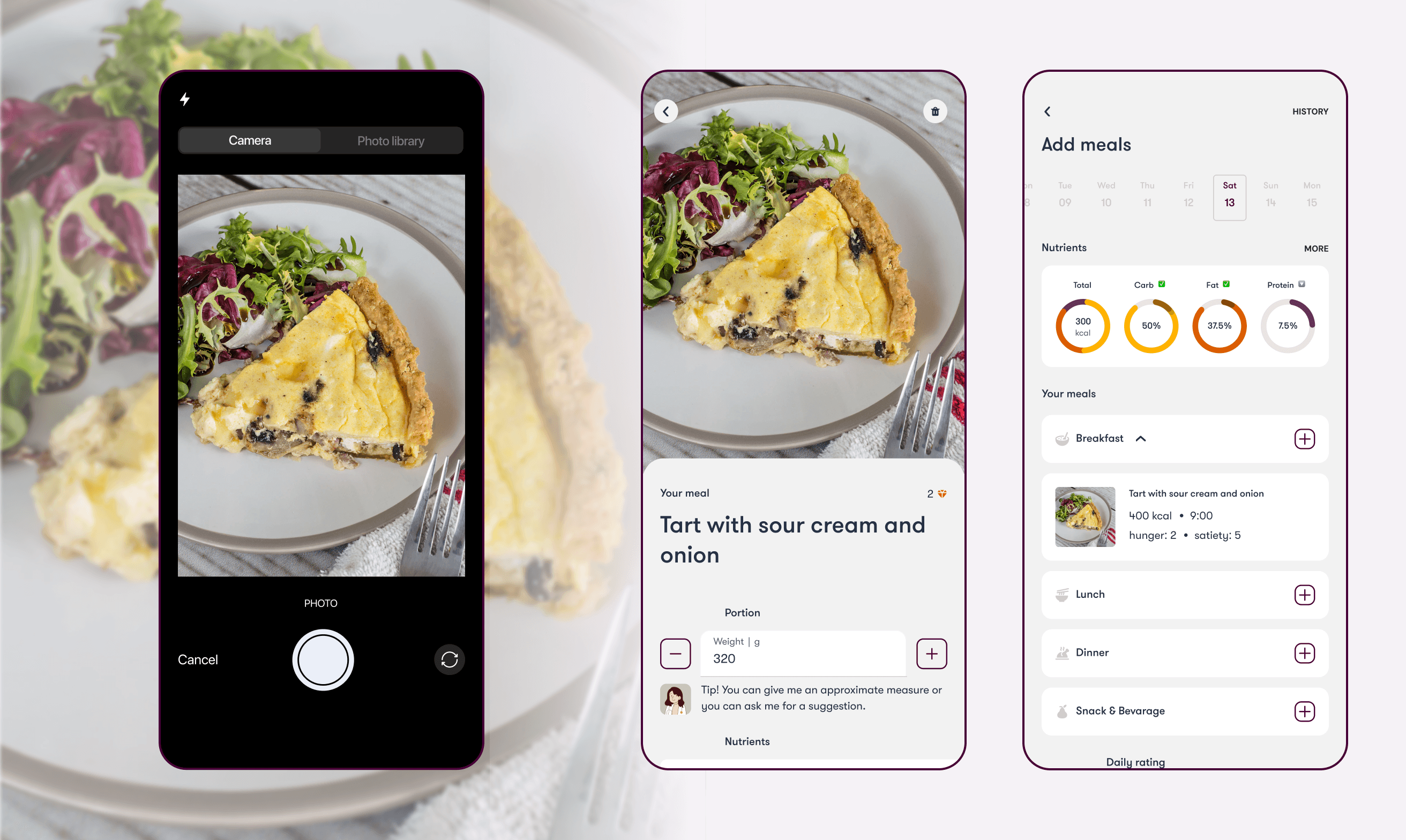
AI-assisted Meal Logging
Through smart database integrations and AI image recognition, we managed to alleviate the single most tedious task patients faced throughout their journey.
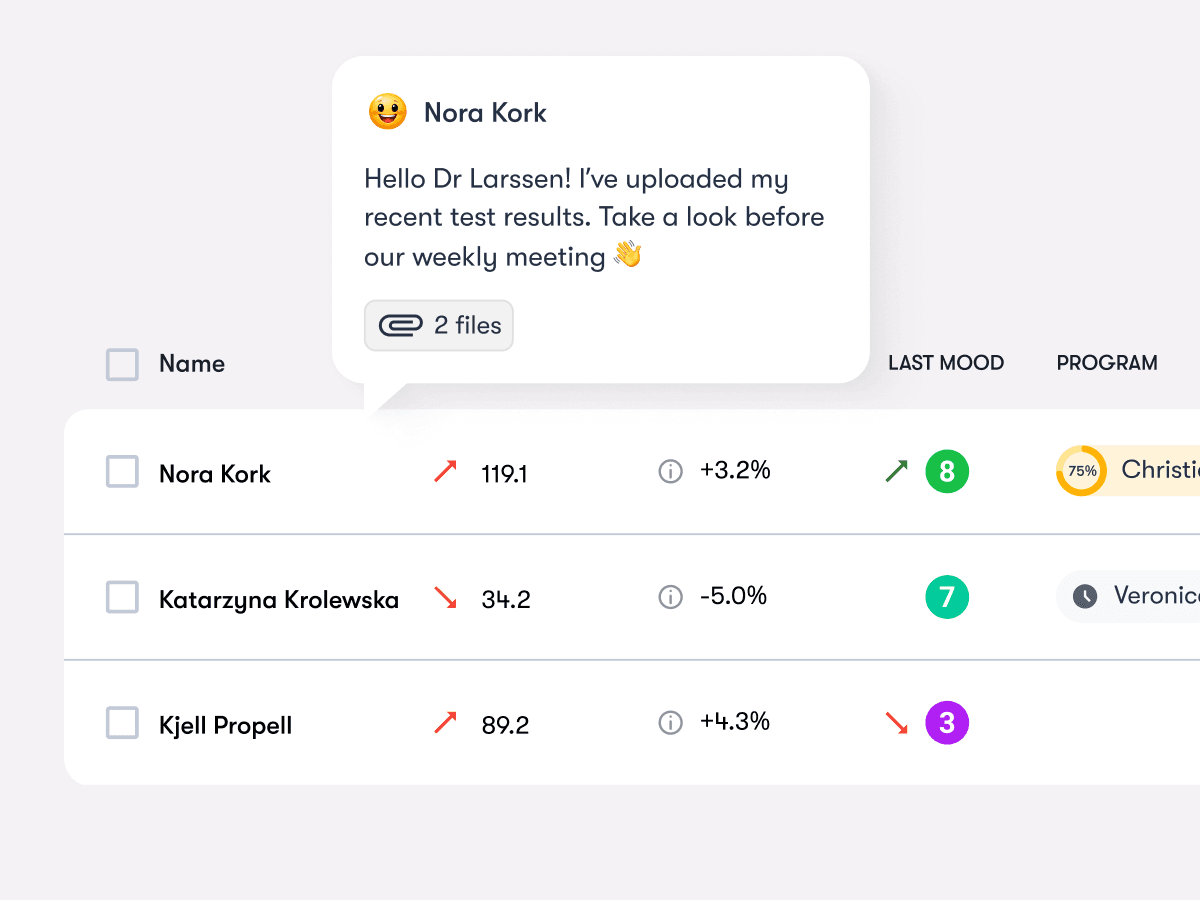
Medical Dashboard
A single dashboard allowed the lead doctor to closely monitor the health trends of their patients, and the whole medical team to collaborate in maintaining medical records or communicating with patients.
Key Results
- 5x
- better treatment results
- 86%
- higher patient motivation
- 100%
- of users recommend Lifeness
Working with Michał on our health-tech platform was a transformative experience. He brought deep empathy to our patient-facing product, balancing complex medical requirements with intuitive design. His ability to translate clinical workflows into user-friendly interfaces made a real difference in patient outcomes.

Recognition


Social Entrepreneur of the Year
Awarded to Lifeness in 2020 by Ferd Sosiale Entreprenører.

Helsedirektoratet Top Score
Approved by the Norwegian Directorate of Healthas a safe health app for use in public services.

(3) Good Health And Well-Being
Lifeness' mission aligns with UN Sustainable Development Goal no. 3.
Process highlights

In-depth interviews
In order to build empathy and domain knowledge, I conducted a series of interviews with patients and healthcare professionals.
Privacy is paramount. Users were worried if their sensitive data will be secure online.
Issues with self-image were very common in patients. We should avoid taking photos or displaying avatars.
Emotions can't be reduced to 5 emojis. When logging their emotional state, users preferred a simple numerical rating with an additional text field.
Healthcare professionals worked in teams, but each patient had their lead doctor. This needed to be transparent to both the patient and the HP's.

Strategy workshops
Bootstrapped Lifeness required careful balance between long-term vision and short-term viability. That's where I put my facilitation skills to work and helped the whole team build an exciting product strategy.
Lean Canvas to align the team on the business model, key assumptions, and riskiest unknowns.
Journey mapping with swim lanes to map the end-to-end patient journey alongside the medical team's operations.
How Might We exercises to reframe interview insights into actionable design opportunities.
MoSCoW prioritisation to negotiate scope trade-offs, given the self-funded nature of the project.

Continuous discovery
Over many iterations the team built features to contribute to a key metric — long-term patient stickiness. Regular user testing helped assess the impact they had on usability and the perception of privacy.